A lift station might be a structure in the future packed with pumps, piping and valves, as well as controls and electrical devices, but its efficiency is generally established earlier. The design of the final lift station is determined by many factors such as the flow calculation, the elevations of the site, system pressures as well as wastewater characteristics, peak conditions maintenance access, control systems and the capacity to come in the future.
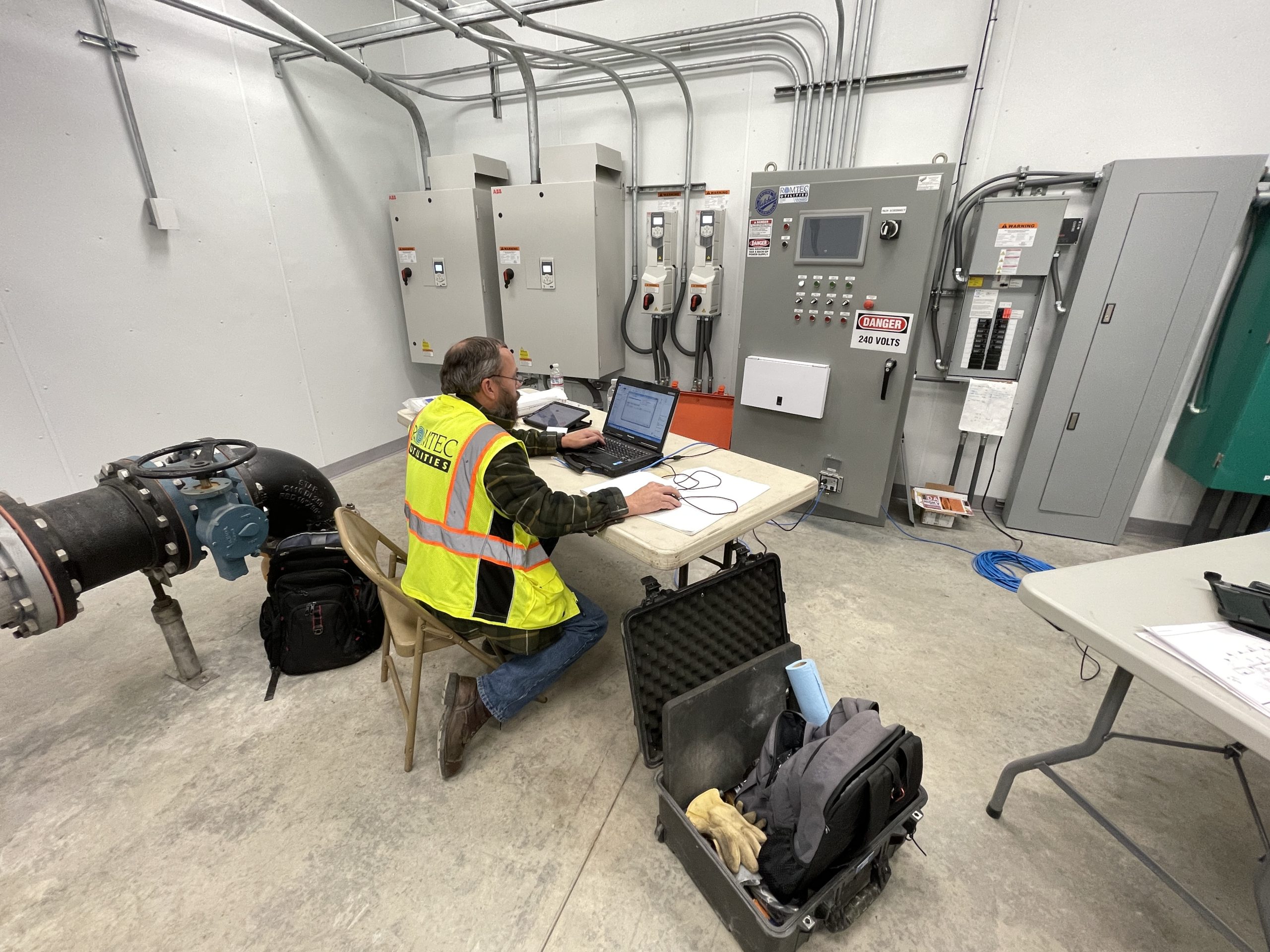
Image credit: romtecutilities.com
For project owners comparing the best lift station designers, the more useful question isn’t simply who can specify pumps. What is the best way to translate site conditions into a complete, practical system that is easy to set up, maintain and use?
Gravity has Limits
Gravity is usually the simplest method to transport wastewater, however, the terrain and patterns of development don’t always cooperate. New commercial, residential and industrial buildings may be too low or too distant, or in locations where extending gravity sewers isn’t feasible.
A lift station is the mechanical force needed to move wastewater toward the next part of the collection system. But designing one involves understanding normal operations as well as more difficult circumstances like a high flow or maintenance of pumps breakdowns in equipment, or future increases in demand.
The most reputable companies for wastewater design should evaluate the entire issue, rather than just focusing on the station.
The existing infrastructure makes the problem more complicated
Construction of new facilities isn’t the only issue. While maintaining essential wastewater infrastructure municipalities frequently need to upgrade or replace aging stations.
Wet wells that are in use, force mains, electric services, controls site boundaries, and downstream infrastructure could limit the new design. Engineers must consider what components can remain, and what must be replaced and how the new components will integrate with the existing system.
Romtec Utilities offers pumping solutions for private, municipal industrial, commercial and retrofit applications. Pumping systems are designed in accordance with the specific needs of every project.
Stormwater is controlled by different rules
The most effective stormwater system design should use the provided search terms to solve any hydrologic issue. Stormwater systems are susceptible to drastic volume changes based on rainfall, as well as other variables like the area of drainage as well as the capacity of detention and discharge rate.
A station, for instance, that serves a detention site may need to temporarily hold the runoff for a while before pumping it out at a set rate. Engineers must consider the flow rate, conditions of the head, the demands of the environment, the flood management goals, and the features of the receiving drainage system.
Prefabrication is a way to transfer the work off site
The complexity of field assembly may result in problems with scheduling, errors in installation, changes orders, and even delays. Romtec Utilities prefabricates equipment before it is delivered to project sites.
Incorporating more assembly and quality-control tasks in a controlled atmosphere can decrease the amount construction that must be done in the field. According to the method of project implementation explained by Romtec Utilities, some installations that could otherwise take weeks can potentially be reduced to days dependent on the conditions of the project.
The Commissioning Process is a crucial element to engineering Success
A station isn’t a guarantee simply by the fact that every component has been installed. Romtec Utilities offers installation advisors to assist with construction that includes starting up, control panel checks, pump operations, system testing and employee training. Documentation also gives operators details they can reference when maintaining the system or considering any future expansion.
This stage is vital for the owners looking for the most reputable lift station designs. A good engineering project should yield more than a few drawings that are acceptable. It should leave the owner with a working system, trained personnel, useful documentation, and equipment built in accordance with the requirements the station is expected to face in daily operation.