If you have a home or business that’s not connected to an urban sewer system, then you probably have an septic system to manage your wastewater. While septic systems are green and effective in managing sewage, they need to be maintained and may require replacement. This article will provide a complete guide to managing the costs of system installation and replacement.
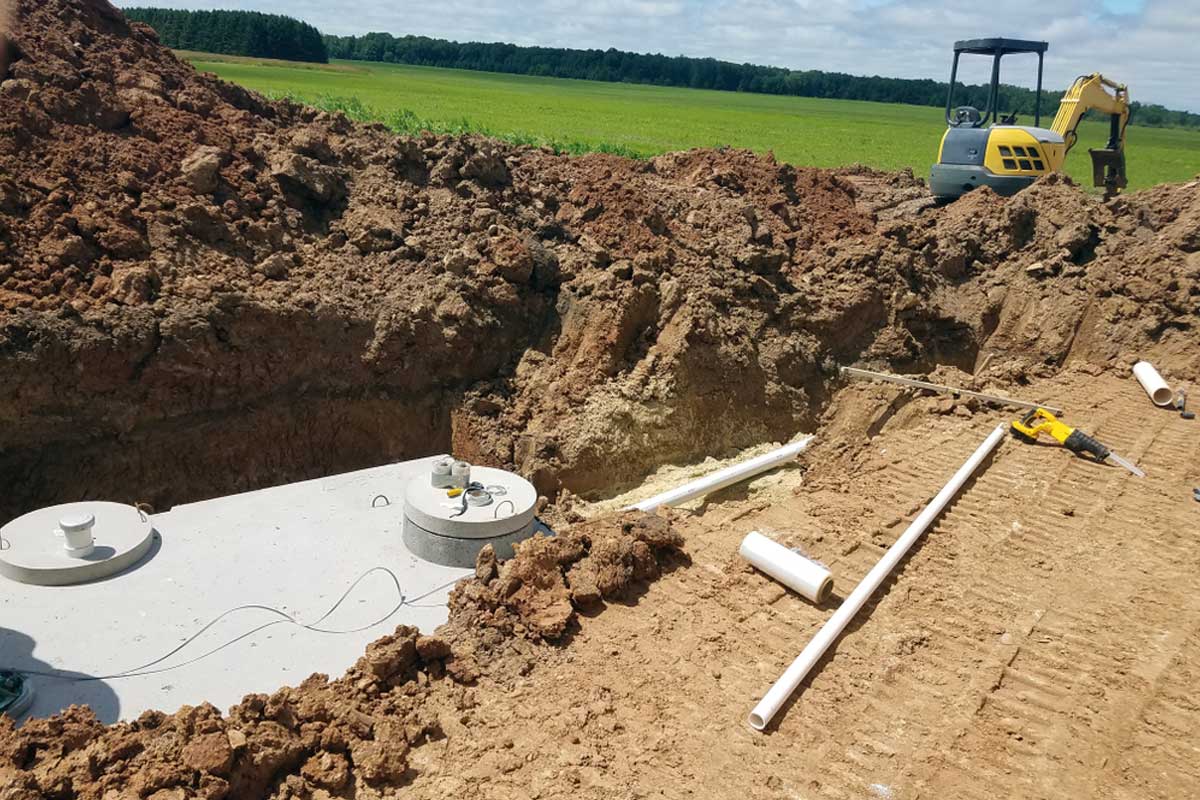
The cost of a Septic System Installation
While a septic tank installation could be costly It is important to ensure that the water of your home is treated correctly and in a safe manner. The cost of installing a septic system can differ based on a variety of aspects.
Size of property: Larger properties will require bigger Septic systems to cope with the increased production of wastewater. Larger homes will require larger and more costly septic tanks.
There are numerous bedrooms. The size of your septic tank will depend on the number of bedrooms that you have in your residence or office. New Hampshire requires that a minimum of a 1000-gallon tank be set up for three bedrooms up to plus an additional 250 gallons of tank capacity must be in place for every additional bedroom.
Conditions on the property: How the topography of your property and the soil nature and permeability can affect the price of installation. A second excavation or specialized equipment could be needed for more difficult terrain. This will increase the overall cost.
Permitting and zoning requirements: The requirements for zoning and permits vary depending on the state and location and could require additional fees for obtaining the necessary permits and inspections.
The cost of a New Hampshire septic tank installation will vary from $5,000 to $10,000 on average depending on the factors mentioned. It is important to remember that this is only an estimate and that each case will have the cost of each case to be different.
Cost of septic system repair
Based on how they are used and maintained, septic systems can last 20-40 years. If a system that is septic begins to fail, it’s generally cheaper to replace it entirely rather than trying to repair it. The septic system might be required to be replaced when it is slow to drain and standing water in your backyard or sewage backups.
The cost of a replacement septic tank is contingent on the same aspects as installing, including the size of the house, the number of bedrooms, as well as the conditions of the site. A replacement for a septic system will typically cost more than a brand new one due to the fact that the existing system has to be removed and disposed of correctly.
The typical cost for replacing a New Hampshire septic tank is between $10,000 and $25,000 , depending upon the factors discussed. It is important to keep in mind that this is only an estimate and the final cost may differ based on the specific conditions.
Strategies for managing the costs of your Septic tank
Regular maintenance: Regularly maintaining your sewer system, which includes inspection and pumping, will prolong its lifespan and avoid costly repair or replacement costs.
You should choose the best contractor. An experienced and reliable contractor will ensure that your septic system meets code. This will help you save money on repairs as well as penalties for violations.
Beware of flushing items that are not biodegradable The flushing of non-biodegradable products, such as sanitary products diapers, wipes or wipes can cause a blockage in the septic tank and cause costly backups.
Conserve water: Conserving water will lessen the workload of the septic system and increase its life span.
Find the ideal system for your needs Choose a septic system that is suitable for your home will reduce the cost of the installation process and maintenance.
Proper septic tank care is vital to ensure that your system is healthy and functioning. A well-maintained septic tank can provide many benefits such as avoiding costly repairs, reducing ground water contamination, preventing back-ups and odors in addition to maintaining its durability. Additionally, regular pumping can help in boosting the effectiveness of your system and also helps to prevent costly damage due to cracks, clogs, or blockages. Regular inspections are important as they can detect possible issues before they become serious. This will ensure you have a safe, efficient and up-to-standard septic tank. A written maintenance schedule for your septic tanks will help you save time and cash. Additionally, you will have assurance that your commercial or residential property will have a functioning system for many years.
For more information, click cost to replace septic tank