An accident is scary no matter how it happens. When the car is autonomous and the driver is not present, the confusion may be more acute. There could be no driver to speak with and no explanation immediately available, and no precise understanding of who made the decision that caused the accident. This uncertainty can be a major burden for the injured victim.
Accidents do still occur even when autonomous vehicles are designed to minimize human error. Responsibility isn’t eliminated when accidents occur however, it becomes more complex. Utilizing a self-driving car accident lawyer could be a game changer.
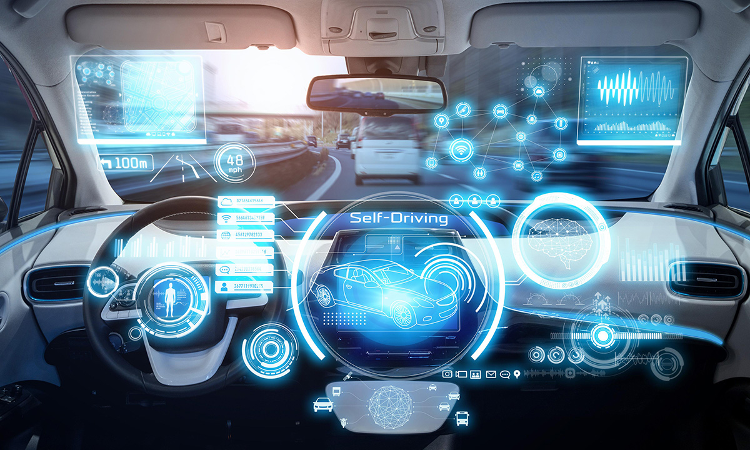
What causes driverless car accidents to feel different?
In the majority of auto accidents, the fault is often due to human errors. A driver was distracted or speeding up, or they were not following traffic rules. Autonomous cars work differently. Software analyzes the data from sensors and cameras as well as mapping systems in real-time to take decisions.
There is no way to doubt the decision of a driverless vehicle when it makes a mistake. Only the data is analyzed. The victims often ask how this happened if no one was driving? Understanding how technology, corporate oversight and design affect each in the course of driving is the key to understanding what transpired.
An autonomous driverless car vehicle accident is not just a traffic incident; it is a technology failure with real human consequences.
Who’s at-fault after an Autonomous Vehicle Crashes
While autonomous vehicles don’t require a human to drive but they’ll never be completely autonomous. Multiple parties are involved in how they work, and responsibility could be entrusted to one or more of them.
Fleet operators may be held responsible for failure to keep their vehicles in good condition, observing their performance or restricting the utilization of the vehicle under safe levels. Manufacturers are accountable when an issue with the hardware, such as defective brakes or malfunctioning sensors were the cause of the accident. Software developers can be liable if the programming errors, system failures or poor decision-making led the vehicle to make incorrect assumptions about its surroundings.
In certain instances there is still oversight by humans. In the event of a system failing, remote supervisors, or safety officers may be required to intervene. A failure at this level could result in responsibility.
A lawyer with experience dealing with accidents that involve autonomous vehicles will know how to find all possible parties responsible, instead of accepting the obvious.
How Accidents are Investigated
Investigations into autonomous accidents rely heavily on data, not eyewitness accounts alone. The vehicle records detailed information such as speed, sensor information, detection of objects alerts and the decision-making process. Digital evidence can reveal what the car “saw” and how it behaved in the lead-up to the crash.
Attorneys collaborate with engineers experts in accident reconstruction, and data analysts to analyze the information. The purpose of this process is to translate the findings from the technical research in a way that explains clearly what occurred. This process takes time, but it is vital to making sure that the right people are accountable.
Early involvement of corporate and insurance legal teams can complicate claims for those injured. If they do not have legal aid, patients could face delay or a settlement that does not adequately reflect their injuries.
Why Legal Experience Matters in Autonomous Vehicle Cases
The laws governing autonomous vehicles are changing, and the regulations differ between states. An attorney who understands emerging technology and current guidelines can assist in protecting your rights in a changing legal landscape.
For those who have been injured in an autonomous driverless vehicle crash, legal representation is about more than just compensation. Reassurance, clarity, and accountability are vital during this stressful moment. Support that is right for victims allows them to focus on healing while experts take care of the technical and legal issues.
Although autonomous vehicles can be capable of driving themselves yet it’s the responsibility of the individuals and businesses that created the technology to ensure their safety. Understanding the truth about accident-related injuries is the first step towards stopping them.